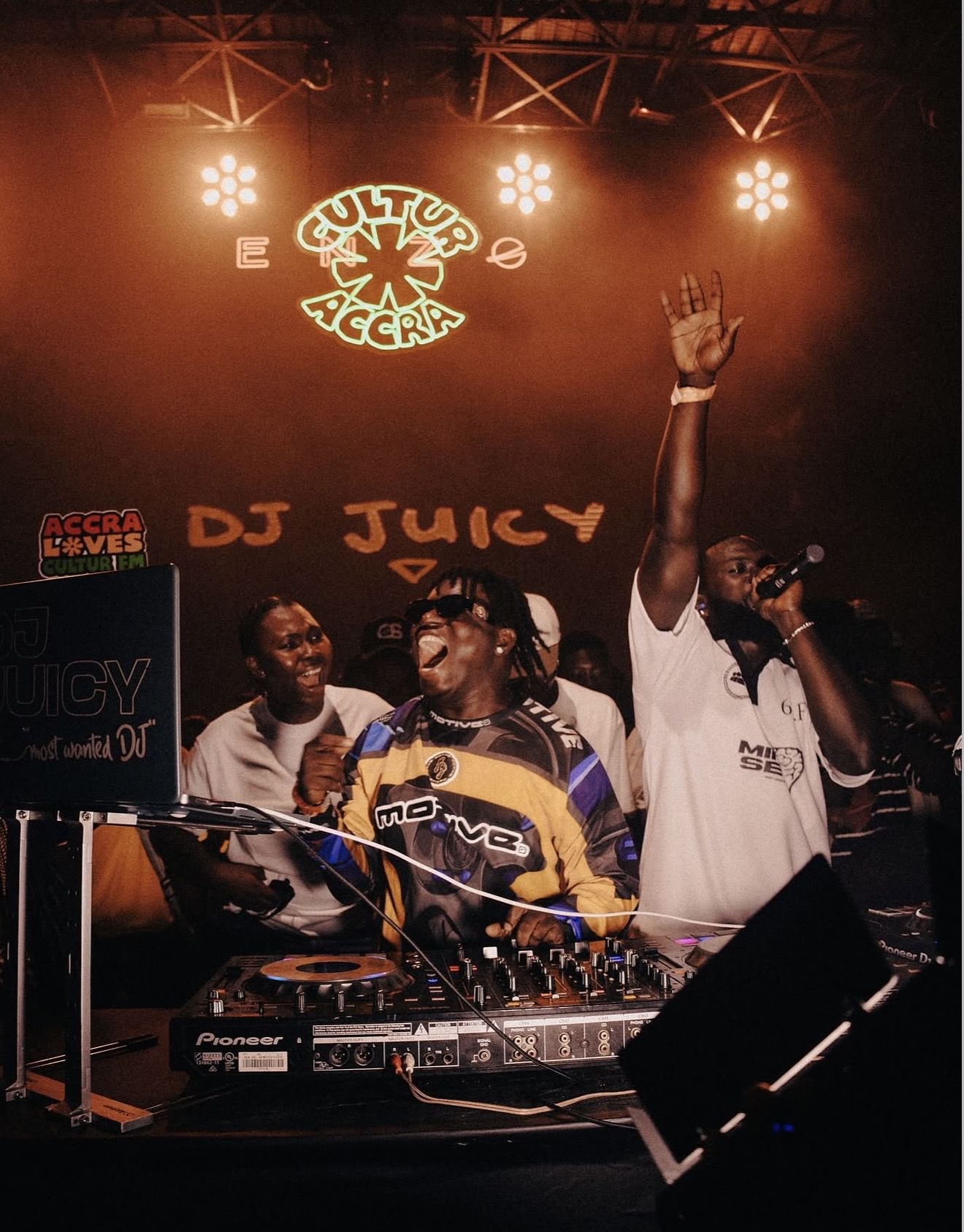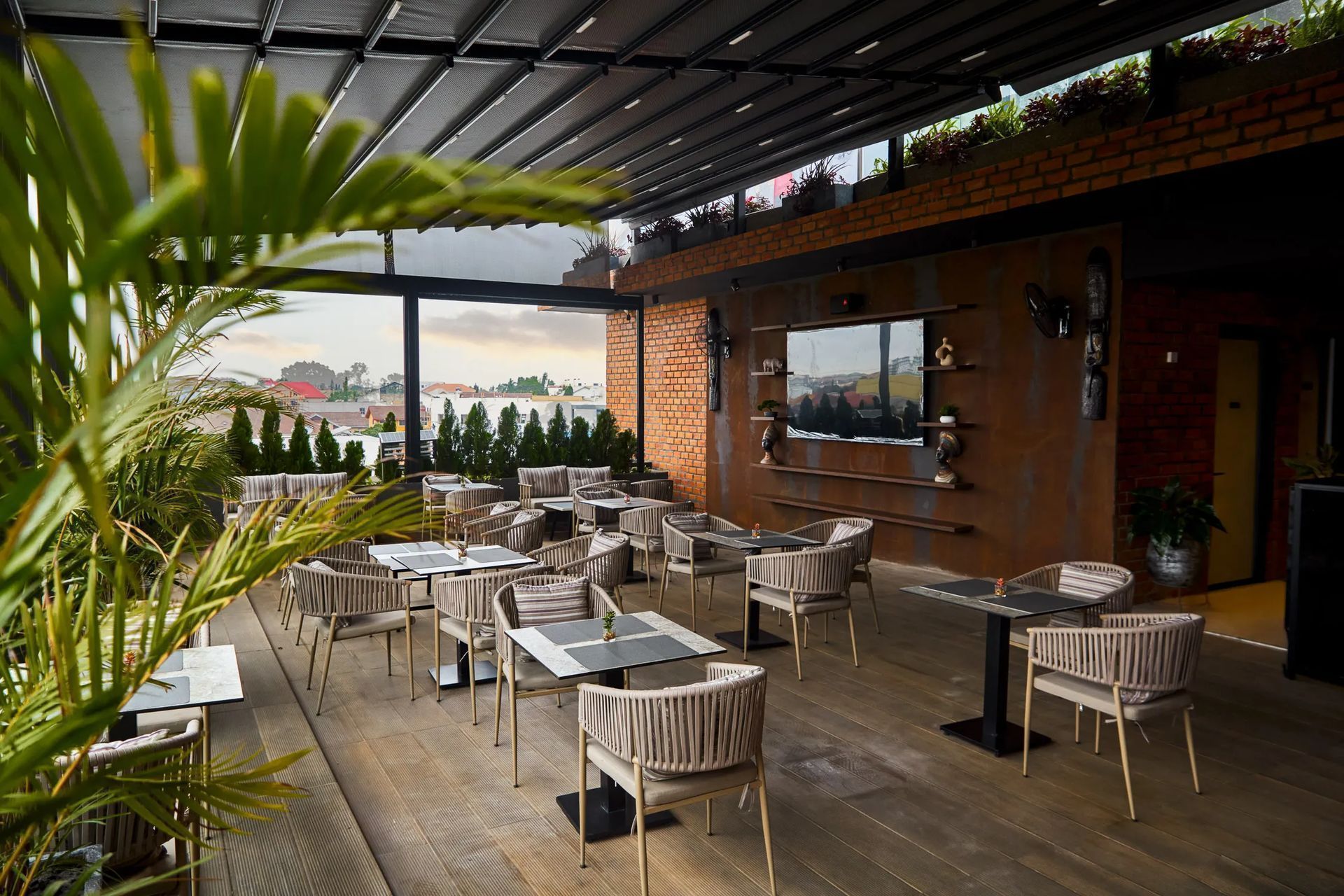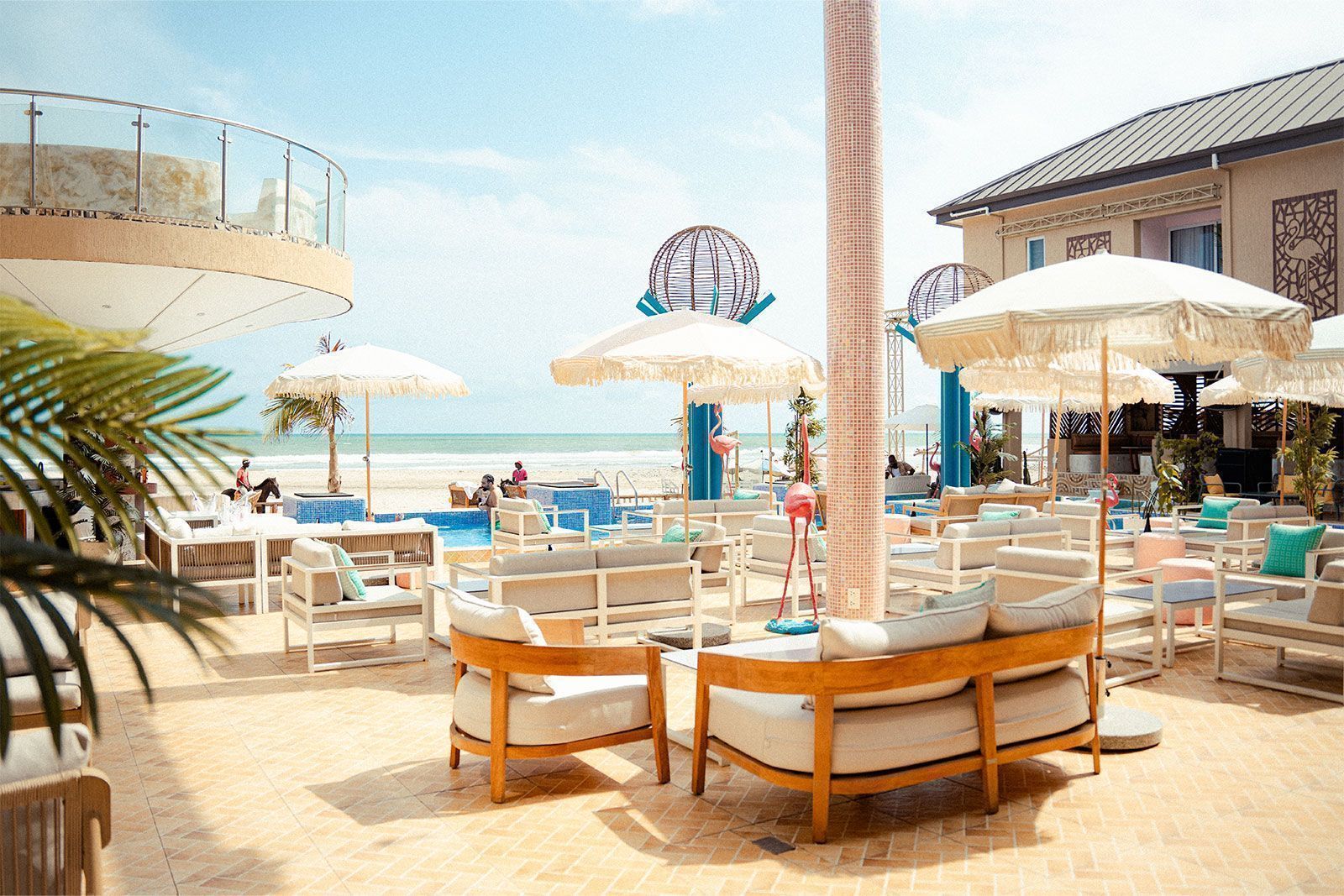

Accra’s beach culture is facing a major moment of change. In September, structures at Laboma Beach were demolished as part of the government’s post-flood mitigation exercise, with authorities saying the affected structures were within the Kpeshie Lagoon’s protected buffer zone. On Friday, October 2, a separate demolition exercise moved into the La Beach area, where several structures at La Pleasure Beach were pulled down. Polo Beach Club, a popular entertainment destination near Labadi Beach Hotel, was also demolished during the ongoing operation.
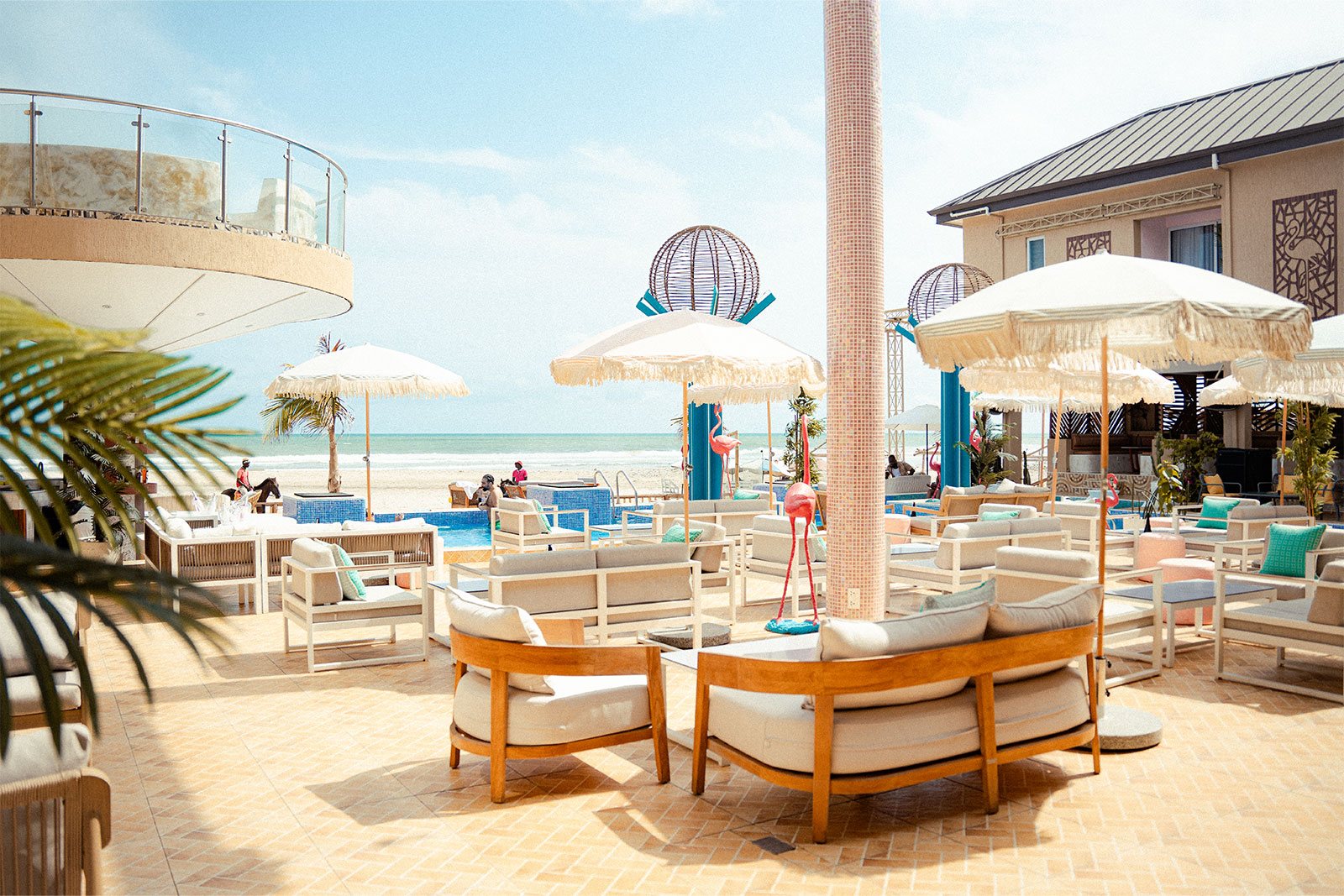
The developments have left people asking what happens next. What happens to the workers, vendors and businesses that depended on these locations? What will happen to the spaces themselves? And will Accra lose important cultural and entertainment spaces along its coastline? The La Beach operation has also generated controversy, with Deputy Chief of Staff Stan Dogbe saying the exercise was not part of the government’s flood-mitigation programme, but was carried out following a request from Labadi Beach Hotel.
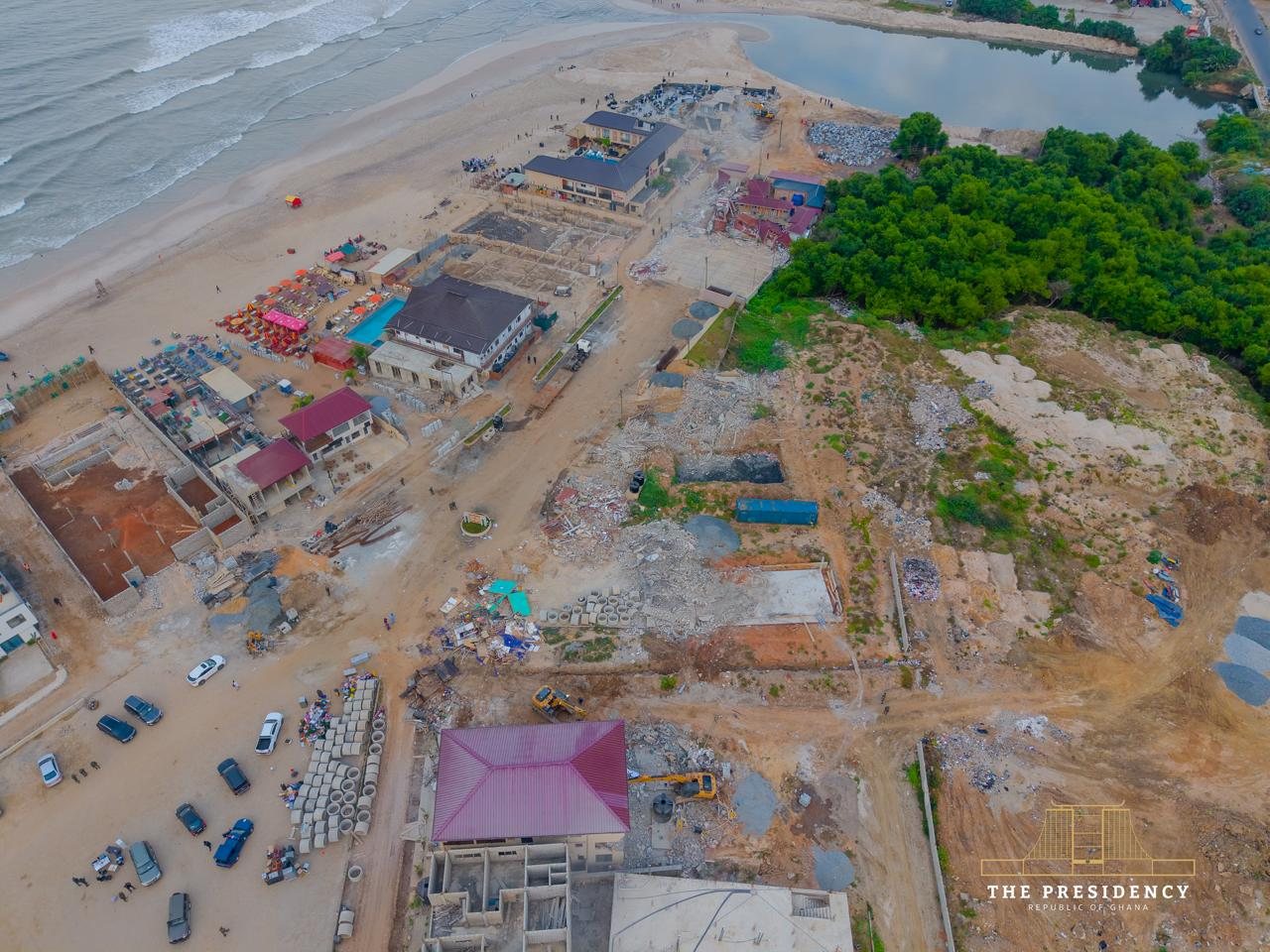
For a city where beaches have become an important part of nightlife, food, music, tourism and social life, the bigger conversation is now about the future of Accra’s coastline. If these areas are redeveloped, what will replace the businesses and experiences that existed there? And can future development make
room for public access, local businesses, culture and entertainment while addressing legitimate concerns around land use, flooding and coastal management? For now, the answers remain unclear, but the changes along Accra’s coastline are already being felt.
People ask questions:
What will replace La Pleasure Beach and other beaches demolished?
Who gets to use that space after redevelopment, and what kind of culture is allowed to exist there?
Follow We Dey Outside for more stories on the people, places and experiences shaping Accra and Ghana.